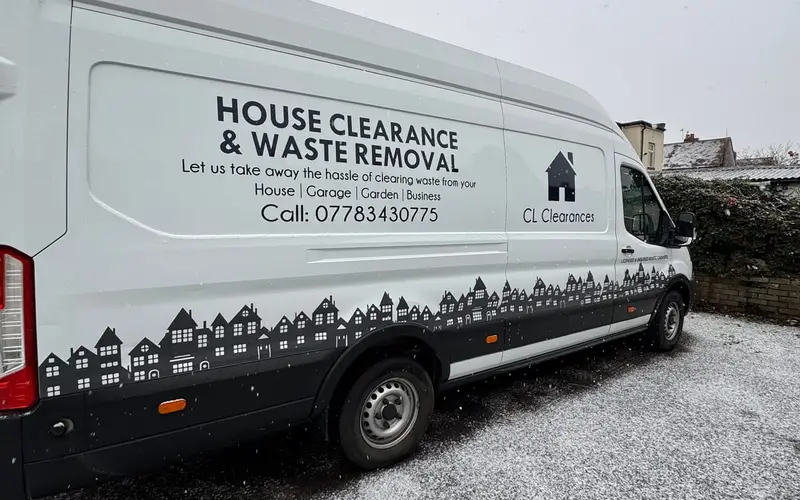
Arranging a house clearance following a bereavement is one of the more difficult practical tasks a family or executor faces. This guide covers when to arrange it, how it differs from a standard clearance, and what to look for in a company when sensitivity matters. It is written by CL Clearances, a licensed waste carrier (CBDU291452) that has carried out bereavement clearances across Yorkshire since 2016.
When do you need to arrange a clearance?
There is no set timeline. Some families proceed within weeks of a death; others wait months while the estate is administered or while they are emotionally ready. Both are entirely normal. In most cases a clearance can proceed at any point during estate administration — it does not have to happen before probate is granted.
If there is an external deadline — a property sale, a landlord requiring vacant possession, or a tenancy surrender — the timeline will be set by those circumstances. A licensed clearance company can confirm a date once contacted and provide a written quote for solicitors or administrators.
How does a bereavement clearance differ from a standard clearance?
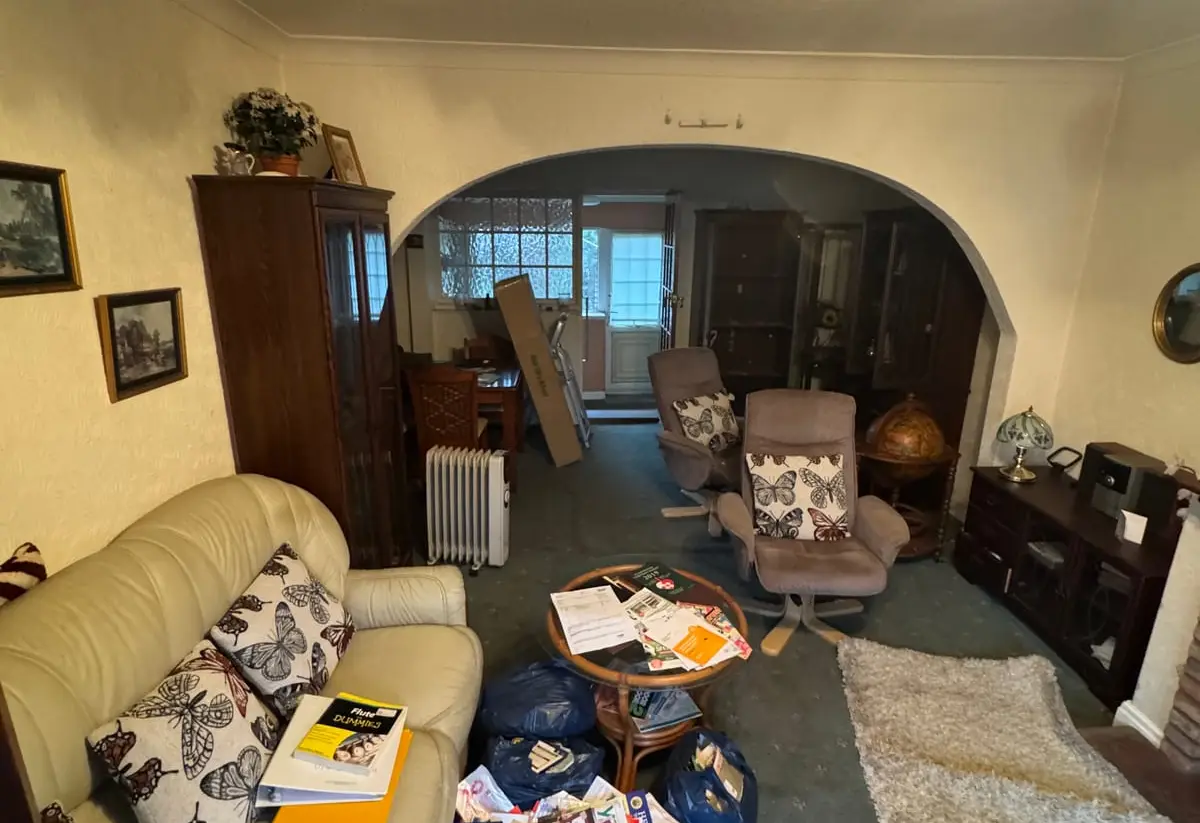
The physical work is the same — most family homes are cleared by CL Clearances in a single day. The approach required is different. A good bereavement house clearance company will work at the family’s pace, set aside personal effects for family review rather than discarding them, attend the property with the same person who quoted the job, and be willing to work in stages if the family is not ready to proceed with certain areas.
What should you do before clearance day?
Before the clearance, try to walk through the property and identify items to be retained, locate documents and personal effects that need to be kept, and confirm the scope with the clearance company in writing. If you are not ready to make all these decisions, a staged clearance — first removing clearly unwanted items, then returning later — is a practical option.
Does someone need to be at the property throughout?
Someone should be available at the start to confirm scope and at the end for a final walk-through. You do not need to remain on site throughout. Charlotte Leighton of CL Clearances handles every clearance personally and is happy to work independently once the scope is agreed.
How much does a house clearance after a death cost?
The price depends on how much is in the house, not how many bedrooms it has — a family home lived in for forty years, with a full loft and garage, takes far longer than the same house after a short let. As a guide, these are the indicative ranges from our 2026 Yorkshire house clearance cost guide:
- Single room or partial clearance: £150–£350
- One to two-bedroom flat or small terrace: £350–£600
- Three to four-bedroom house: £600–£1,200
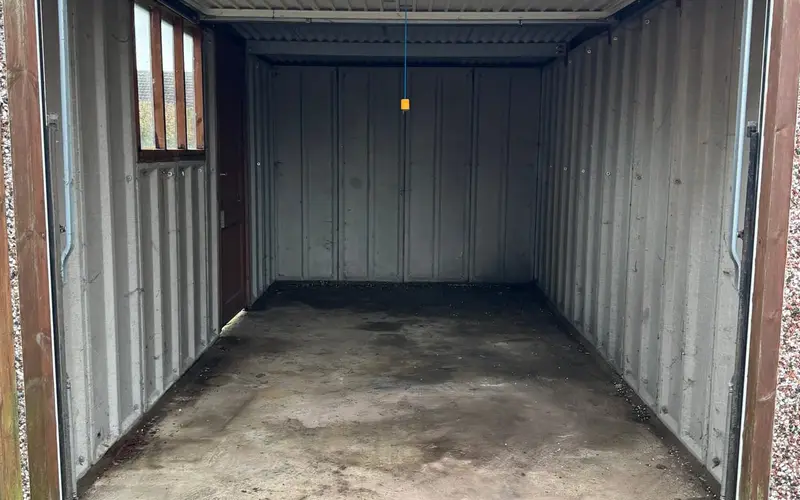
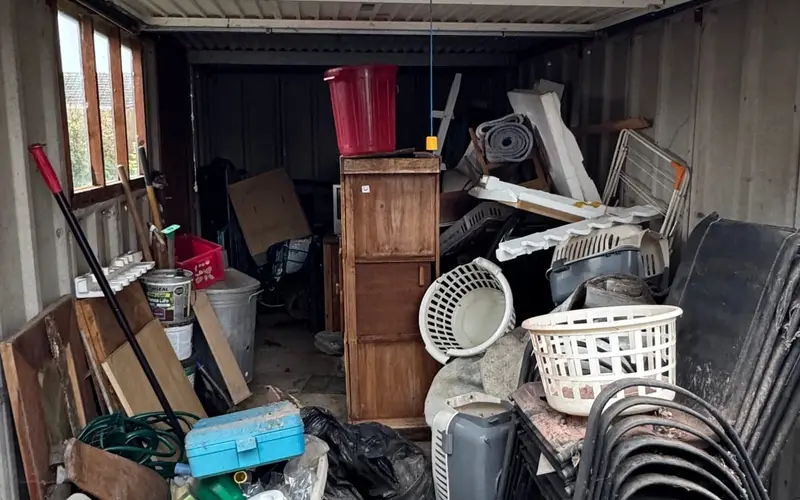
- Large detached homes, or properties with outbuildings: £1,200+
The quote you get is fixed and in writing, based on a visit or photos, and covers loading, removal, setting aside personal papers and photographs for the family, recycling, charity reuse where items are in good condition, and legal disposal with a Waste Transfer Note. Asbestos and other hazardous waste are not included and are always quoted separately in advance. A staged clearance usually costs more overall than a single visit, so say at the outset if you want one.
Who does the work, and how are you protected?
Charlotte Leighton founded CL Clearances in 2016 and quotes and attends every bereavement clearance herself — you can read more about Charlotte. Nothing is passed to subcontractors.
- Licensed: upper-tier waste carrier CBDU291452, which you can check on the Environment Agency register. The executor’s duty of care comes from section 34 of the Environmental Protection Act 1990.
- Insured: CL Clearances carries public liability insurance, and a copy of the certificate is available before you book.
- Reviewed: rated 5.0 by every customer who has left a Google review so far — see our reviews.
- A direct complaints route: if anything is not right, call 07783 430775 or email hello@cl-clearances.co.uk. It goes straight to Charlotte, who owns the business and deals with it herself.
What are an executor’s legal duties when clearing a house?
Where a Grant of Probate is involved and a solicitor needs paperwork for the estate file, probate house clearance sets out how the search, the set-aside boxes and the Waste Transfer Note work.
Executors have a duty of care to ensure waste is disposed of legally. Using an unlicensed operator creates personal liability if items are fly-tipped. Always ask for the Environment Agency Waste Carrier Licence number before booking. CL Clearances holds licence CBDU291452.
CL Clearances handles bereavement clearances across Yorkshire including Hull, York, Doncaster, Beverley, and across East Yorkshire. Call Charlotte on 07783 430775 for a no-pressure conversation.